
Climate Control Without Ductwork Disruption
Mini-Split Heating & Cooling Installation in Edgewood for homes without existing ductwork or requiring zone-specific temperature management
Homes without central duct systems or properties where adding ductwork would require extensive structural modification often face limited options for whole-home climate control. Tadpole Electric, LLC installs mini-split heating and cooling systems that deliver conditioned air directly to individual rooms or zones without requiring duct installation. You gain precise temperature control in specific areas while avoiding the cost and disruption of cutting into walls and ceilings to run traditional ductwork throughout your property.
Mini-split systems consist of an outdoor compressor unit connected to one or more indoor air handlers through a small conduit that carries refrigerant lines, power wiring, and condensate drainage. Each indoor unit operates independently, allowing you to set different temperatures in different rooms based on actual usage patterns rather than heating or cooling the entire structure uniformly. The installation process involves mounting the outdoor unit on a stable surface, securing indoor units to interior walls, and running the connection line through a three-inch penetration in the exterior wall.
Schedule a property assessment to evaluate mounting locations and electrical requirements for your specific layout.
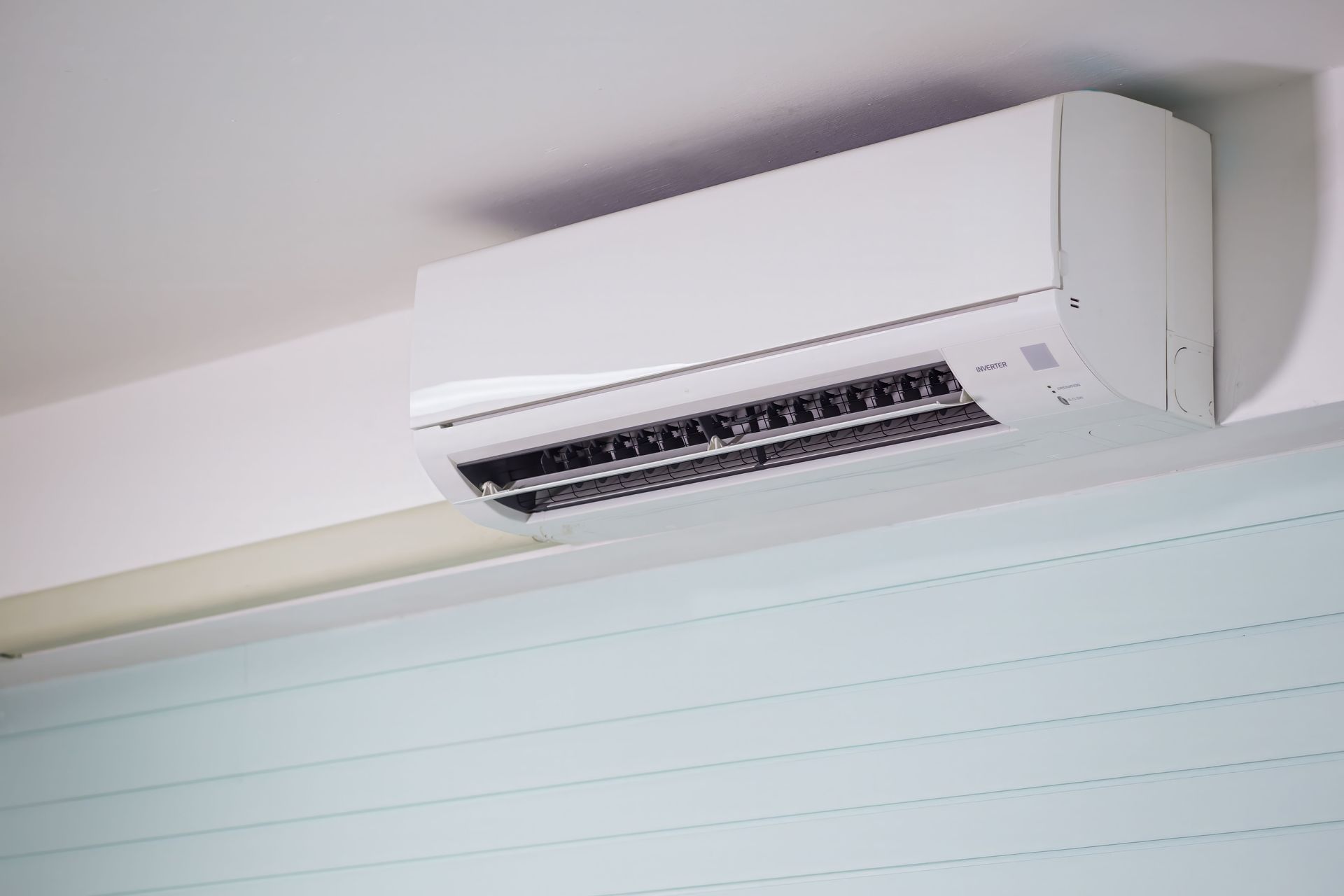
What Proper Mini-Split Installation Requires
The outdoor compressor must be positioned where airflow remains unobstructed and noise transmission to neighboring properties stays minimal. Indoor units require mounting height that allows proper air circulation across the room without directing airflow directly onto seating or sleeping areas. The refrigerant line set must be sized correctly for the distance between outdoor and indoor components, and the electrical circuit must match the system's amperage requirements with appropriate overcurrent protection.
Once installation is complete, you control each zone independently through dedicated remotes or integrated smart controls. Rooms that see heavy use during specific times maintain comfortable temperatures without conditioning unused spaces, which reduces operating costs compared to single-zone forced air systems. The outdoor unit cycles on and off based on demand from connected indoor units, and inverter-driven compressors modulate output rather than running at full capacity continuously.
Installation includes pressure testing the refrigerant lines, evacuating air and moisture from the system, verifying electrical connections meet load requirements, and confirming condensate drainage routes water away from the structure. The line set connecting indoor and outdoor components can be concealed within exterior line hide for a finished appearance, or left exposed along siding depending on aesthetic preferences and building constraints.
Questions Before Starting Your Project
Homeowners in Edgewood frequently ask about mini-split systems before committing to installation, particularly regarding how these systems compare to conventional heating and cooling methods.
How does a mini-split system differ from central forced air?
Mini-split systems eliminate ductwork entirely by delivering conditioned air directly from wall-mounted or ceiling-recessed units in each room. You avoid the energy losses associated with duct leakage and gain the ability to turn off conditioning in unoccupied zones.
What electrical work does installation require?
Most mini-split systems require a dedicated 240-volt circuit with amperage determined by the outdoor unit's specifications. The electrical panel must have available capacity, and the circuit must terminate at a weatherproof disconnect near the outdoor compressor for code compliance and service access.
How many indoor units can connect to one outdoor compressor?
Multi-zone systems support between two and eight indoor units depending on the outdoor unit's capacity and the total cooling or heating load. Each indoor unit connects to the outdoor compressor through individual refrigerant lines, and total connected capacity cannot exceed the outdoor unit's rated output.
When should I schedule installation for optimal performance?
Installation can occur year-round, but scheduling during moderate weather allows thorough system testing under real load conditions. Edgewood's wet climate requires ensuring condensate drainage routes remain clear of debris and slope properly to prevent water backup into the indoor unit.
What maintenance does a mini-split system need?
Indoor unit filters require cleaning every four to six weeks depending on usage and airborne particulate levels. The outdoor unit needs periodic coil cleaning to maintain heat exchange efficiency, and refrigerant charge should be verified during annual service to confirm the system operates at design specifications.
Tadpole Electric, LLC handles the complete installation process from electrical circuit installation through system commissioning and operational verification. Request an on-site consultation to determine system sizing and placement for your specific heating and cooling requirements.